Local anesthetics are the foundation of pain-free dental and aesthetic procedures. This dental anesthetics guide provides a concise, clinically focused overview to help practitioners and informed patients understand agent selection, onset, duration, and safety considerations. Furthermore, the guide highlights practical differences among commonly used formulations available at Acquafiller.
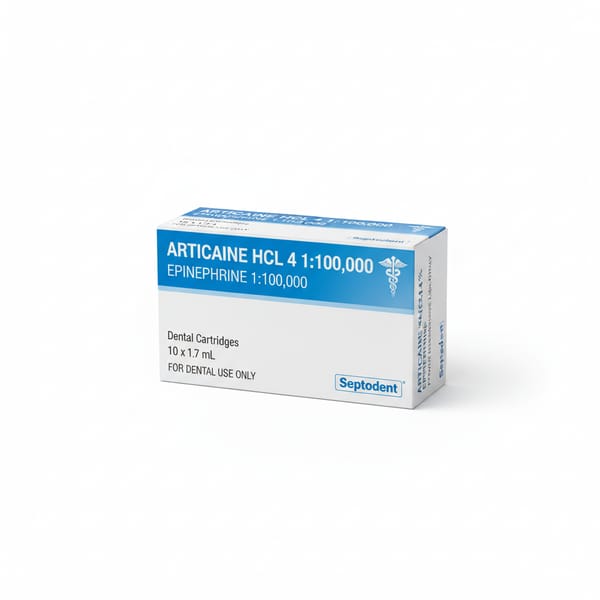
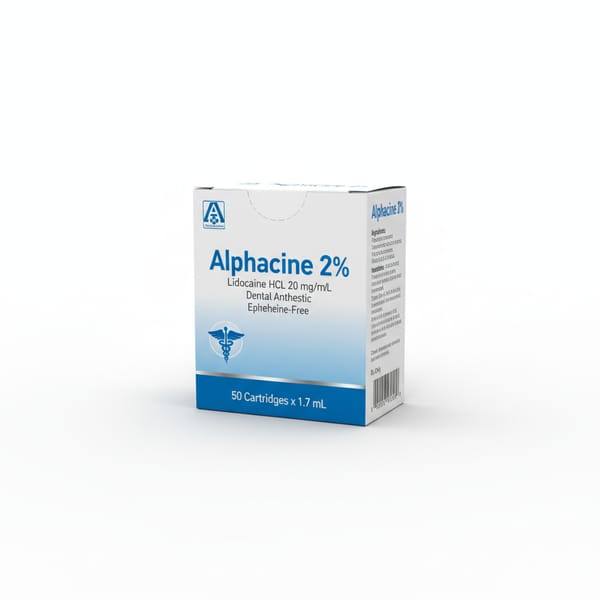
In addition to pharmacology, this dental anesthetics guide addresses real-world scenarios such as short restorative visits, long endodontic cases, and patients with cardiovascular or hematologic contraindications. Moreover, product-specific notes—like Articaine 4% 1:100.000 – DFL and Alphacaine – Lidocaine 2% 1:100.000 – DFL—are included to aid decision-making.
dental anesthetics guide: clinical properties and selection
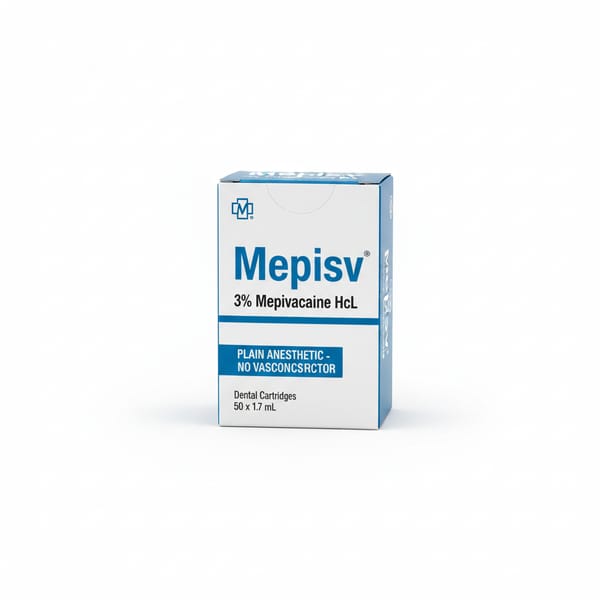
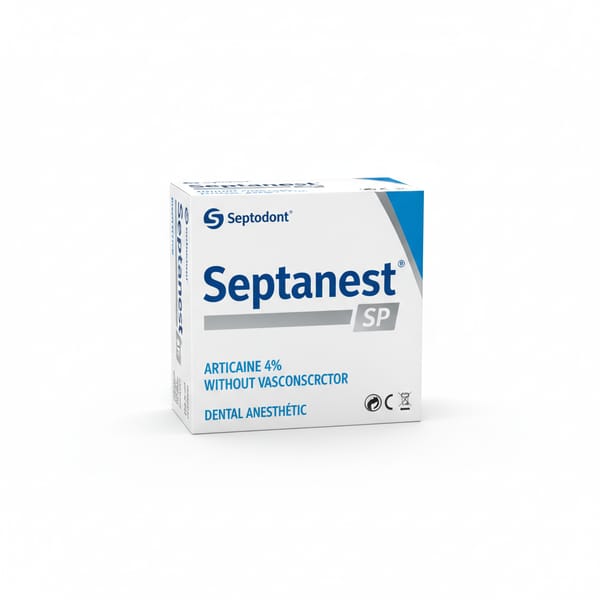
Understanding the types of dental anesthetics is essential for safe, effective care. This dental anesthetics guide compares onset, potency, duration, and vasoconstrictor options, and explains how those parameters influence dental anesthetic selection. For example, agents with faster onset and superior bone penetration, such as Articaine 4% 1:100.000 – DFL, may improve infiltration success in mandibular buccal tissues. In addition, plain formulations such as Septanest SP – Articaine 4% Without Vasoconstrictor – Septodont or Mepisv 3% – Mepivacaine Plain – Nova DFL are valuable when vasoconstrictors are contraindicated.
Practical considerations for dental anesthetic selection
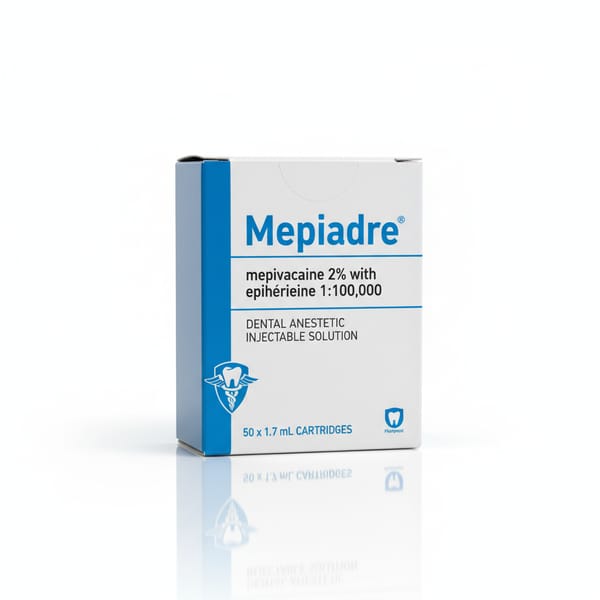
When selecting an agent clinicians must weigh procedure length, required hemostasis, and patient comorbidities. Lidocaine 2% (Alphacaine – Lidocaine 2% 1:100.000 – DFL) remains a reliable baseline choice with predictable onset and intermediate duration. By contrast, articaine formulations provide enhanced tissue diffusion; thus, in a direct comparison of articaine vs lidocaine, articaine often achieves more effective infiltration anesthesia in dense bone. Moreover, mepivacaine formulations such as Mepiadre – Mepivacaine 2% 1:100.000 – Nova DFL offer sustained blocks when combined with epinephrine, whereas Mepisv 3% – Mepivacaine Plain – Nova DFL is appropriate for short procedures where epinephrine should be minimized.
Onset, duration, and potency
Onset times differ across agents: articaine and lidocaine typically exhibit rapid onset, while mepivacaine and prilocaine show intermediate characteristics. As a result, choice of agent affects appointment flow and supplemental injection needs. Prilonest – Prilocaine 3% Felypressin – HSPM is an alternative for patients sensitive to epinephrine, but clinicians must remain vigilant for methemoglobinemia risk with higher prilocaine doses. In addition, vasoconstrictor concentration (1:100,000 vs 1:200,000) modifies duration and hemostasis; Alphacaine and Articaine products are commonly available with 1:100,000 epinephrine for longer analgesia and better bleeding control.
Comparing agents: articaine vs lidocaine and others
The articaine vs lidocaine debate centers on bone penetration and relative neurotoxicity concerns. Evidence supports superior infiltration efficacy for articaine in many dental situations, yet clinicians must apply anatomical caution for certain nerve blocks. Furthermore, lidocaine retains an excellent safety profile and broad clinical familiarity. Mepivacaine is useful when epinephrine is best avoided for cardiovascular reasons, whereas plain articaine (Septanest SP) or prilocaine with felypressin (Prilonest) may be chosen when vasoconstrictors are contraindicated.
Frequently asked questions
How do local anesthetics work?
Local anesthetics block voltage-gated sodium channels in nerve membranes, preventing depolarization and conduction of nociceptive signals. In addition to the primary blockade mechanism, agent lipid solubility, pKa, and protein binding determine onset and duration; higher lipid solubility generally confers greater potency.
Which anesthetic has the fastest onset?
Articaine and lidocaine typically produce the fastest clinical onset for infiltration anesthesia. For example, Articaine 4% 1:100.000 – DFL often provides rapid onset with excellent tissue diffusion. However, onset may vary with injection technique, tissue pH, and individual patient factors, so clinicians should be prepared to supplement anesthesia when required.
This dental anesthetics guide is intended to support evidence-based selection of local agents and to orient clinicians to product-specific considerations available from Acquafiller. Moreover, ongoing evaluation of patient response and adherence to dosing limits ensures both efficacy and safety in daily practice.
Shop Anesthetics Products
Explore our authentic product selection.
Comments
Post a Comment